Global HEFAT
The full Hostile Environment and First Aid Training curriculum: 21 modules across physical safety, trauma medicine, digital security, mental wellness, and deployment planning, at least half of it hands-on.
Who it is for
Journalists deploying to conflict zones, disaster areas, or high-risk international assignments, and newsroom staff who support them. Open to staff, freelance, and student journalists.
What to expect
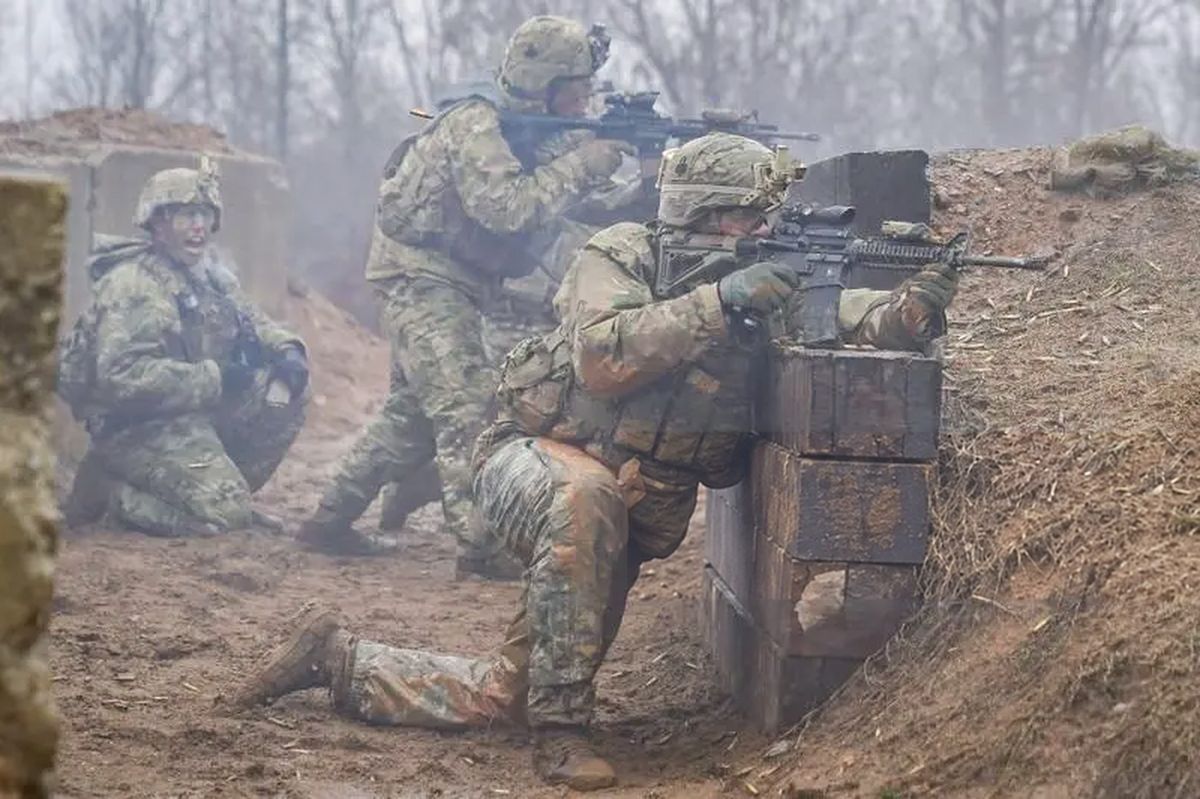
Guided discussion, scenario-based exercises, hands-on drills, and peer-to-peer learning drawn from the instructors' own assignments. At least half of the time is practical. Participants leave with skills they can use on their next assignment.
What you will learn
- Trauma care: chest injuries and airways, CPR and AED, fractures, burns, blast injuries, concussion (MARCH)
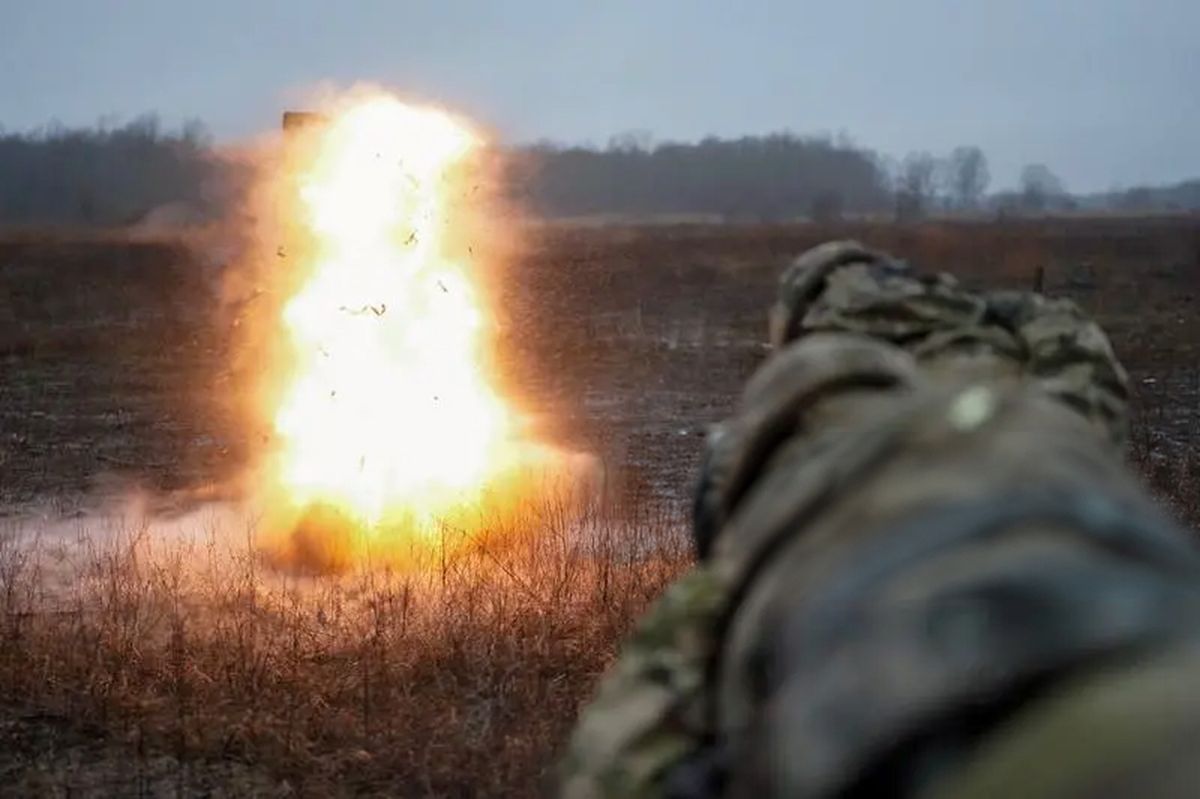
- Movement, reaction to gunfire and indirect fire, cover and concealment
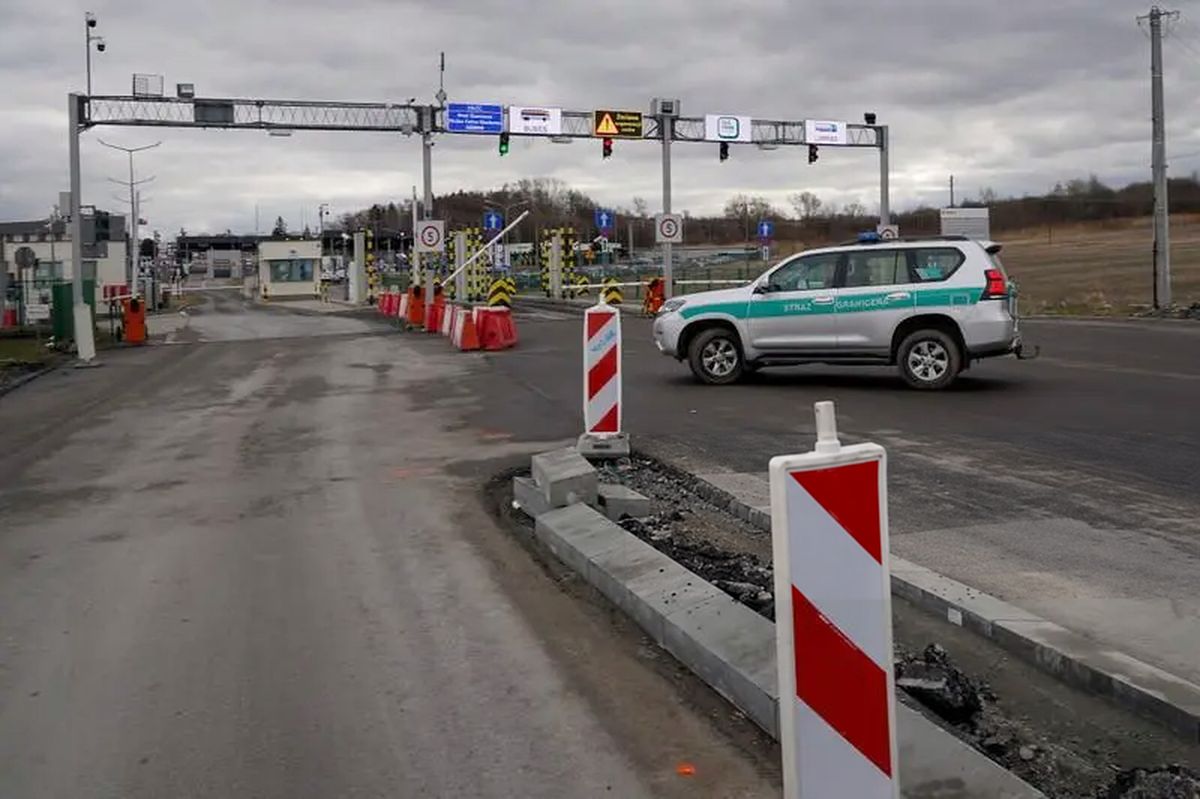
- Evacuation planning and checkpoint navigation, digital and non-digital
- Kidnap survival and captivity psychology
- Gender, identity, and risk in hostile environments
- Pre-deployment planning with the PETE method (People, Environment, Task, Equipment)
- Field hygiene, sanitation, and disease prevention
- Individual first aid kit customization
Instructors
Built for journalists, by journalists. Taught by Bryan Woolston and Chris M. Post, working photojournalists with decades of experience in personal protection, disaster management, and emergency medical response.
Frequently asked questions
Do I need any experience? No. Courses are built for all experience levels.
Can you come to us? Yes. Most courses are delivered at the client's location. How that works.
Is there a certificate? Crisis Ready Media HEFAT Training Certificate.
Still have questions? Book a 20-minute call.